While most visitors associate Greece with islands and beaches, the country’s most dramatic landscapes rise far from the coast. In Epirus, in the mountainous northwest, deep gorges cut through limestone cliffs, ancient stone bridges connect remote villages, and dense forests stretch across protected national parks. This is one of the wildest and least explored regions in Greece.
Hiking in Epirus is not about crowded viewpoints or tourist promenades. It is about walking through alpine terrain shaped by shepherd paths, crossing rivers fed by snowmelt, and discovering villages where daily life still follows a slower rhythm.
From the towering cliffs of Vikos Gorge to the high peaks of the Pindus mountain range, Epirus offers a landscape that feels closer to the Balkans or the Alps than to the Mediterranean postcard image many travelers expect.
For those seeking a more adventurous and authentic side of Greece, the mountains of Epirus provide an experience rooted in nature, tradition, and quiet exploration.
“Hiking in Epirus means entering a living mountain region, not a theme park.”
Why Epirus Is Ideal for Hiking
Epirus offers a rare balance in Europe: vast, uncrowded landscapes combined with accessible mountain villages.
Some areas remain truly remote, where trails follow old shepherd routes and the nearest settlement may be hours away on foot. In other parts, especially in Zagori, traditional stone villages provide comfortable bases for day hikes, with guesthouses, marked paths, and easier road access.
This diversity allows hikers to choose their level of adventure.
Well-known routes such as Vikos Gorge or the historic stone bridge paths of Zagori are reachable by car and suitable for moderately experienced hikers. At the same time, deeper into the Pindus range, multi-hour or full-day hikes cross alpine meadows and high ridgelines with minimal human presence.
Protected areas such as Vikos–Aoos National Park help preserve the region’s ecosystems and limit large-scale development.
Unlike heavily promoted island destinations, hiking in Epirus remains grounded in local life.
Hiking in Epirus, Greece: Landscapes, Trails & Local Insight
Epirus, a landscape of contrasts in northwestern Greece, is one of the country’s most mountainous and least altered regions. Defined by stone villages, deep gorges and high alpine peaks, it offers some of the most authentic hiking experiences in the Mediterranean.
Mount Tymfi & the Dragon Lake
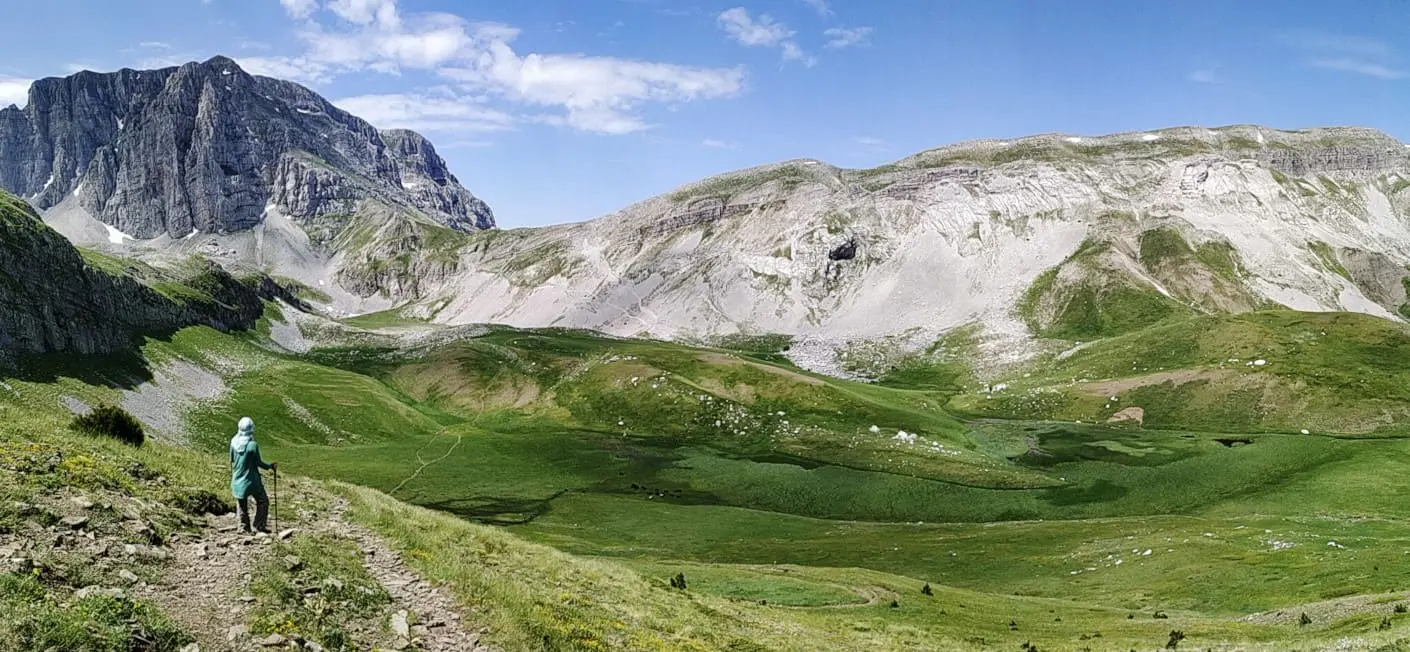
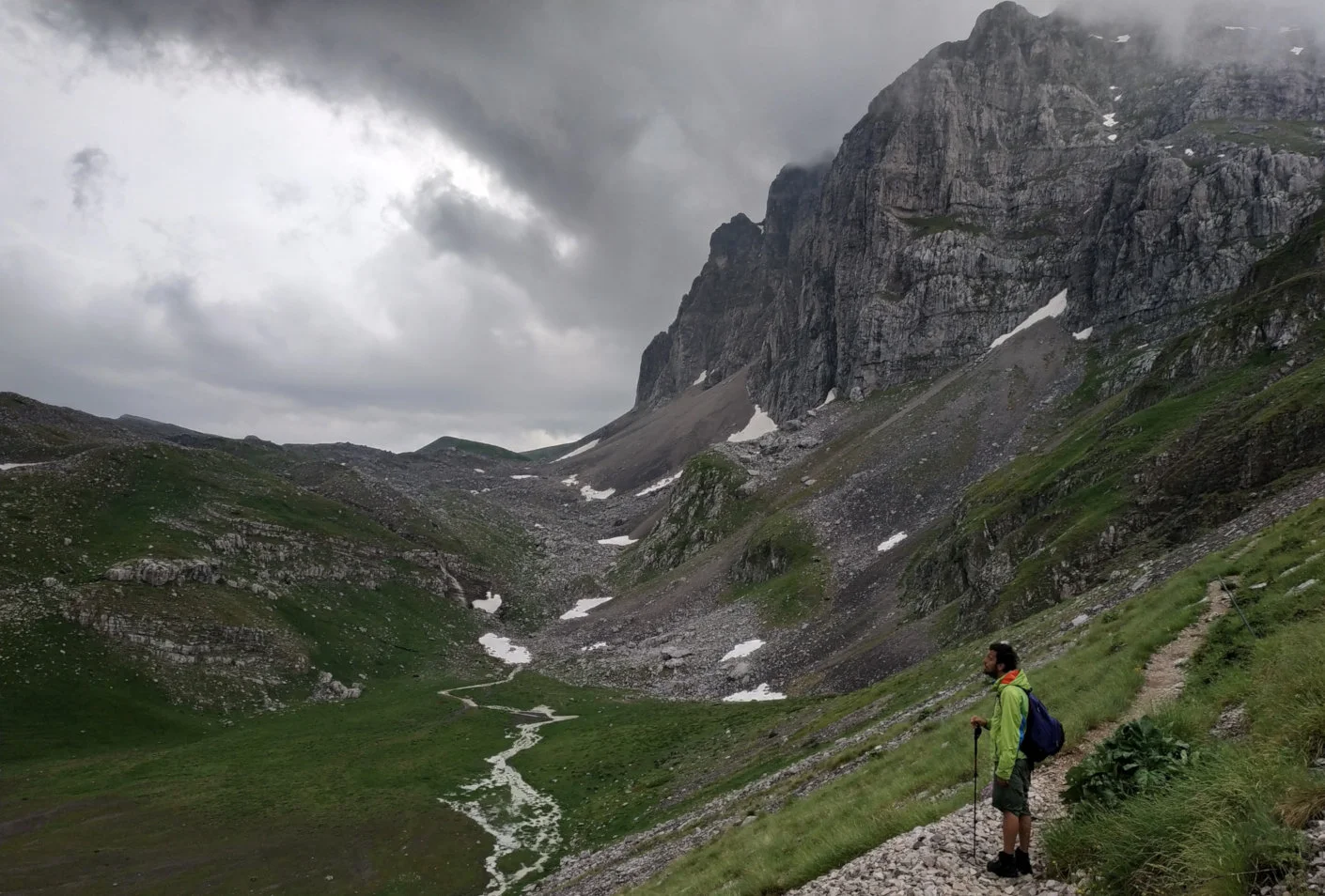
One of the most well-known hiking areas in Epirus is Mount Tymfi, part of the Vikos–Aoos National Park.
The ascent begins from Papingo village in the Zagori region. From there, hikers gradually move into alpine terrain toward the mountain refuge, which serves as a base for higher routes.
From the refuge, two main objectives stand out:
- Dragon Lake (Drakolimni) — a striking alpine lake surrounded by limestone formations.
- Gamila Peak — the highest peak of Tymfi.
The ascent to Gamila is demanding and typically requires at least six hours from the refuge. The route is not always clearly marked, and due to the remoteness of the terrain, it is strongly advised to use reliable GPS equipment or hike with a local guide.
While the Dragon Lake is spectacular, the truly breathtaking panoramic views unfold from the summit of Gamila itself, where the Pindus range stretches across the horizon.
Tymfi offers numerous hiking possibilities, but its isolation and rugged character require proper planning and organization.
Mount Smolikas & Its Alpine Lake
Further north rises Mount Smolikas, the second-highest mountain in Greece.
On the route toward the summit, hikers encounter another Dragon Lake — smaller but equally atmospheric. While the lake is beautiful, the most expansive and impressive views are revealed from the peak of Smolikas, offering wide alpine panoramas across northern Greece.
Village-to-Village Trails in Zagori
Zagori is known for its traditional stone villages connected by old footpaths and arched bridges. These routes allow for multi-day hiking journeys entirely on foot, moving from village to village.
Such trips can be done self-guided, especially for experienced hikers. However, for those who prefer additional security and local insight, a local guide can assist not only with navigation but also with:
- Accommodation arrangements
- Luggage transfers
- Transportation logistics
- Additional outdoor activities
This makes it possible to experience the region more fluidly and with less stress, especially in remote terrain.
Hiking Along the Voidomatis River
For a gentler yet equally rewarding experience, the hike along the Voidomatis River is an excellent option.
The route typically begins in Aristi village and follows the river toward Kleidonia Bridge. The trail is relatively easy and suitable for those looking for a less demanding walk within a protected natural setting.
Voidomatis is considered one of the cleanest rivers in Europe. Its crystal-clear, cold waters make it particularly ideal during the hot summer months of July and August. A refreshing swim while hiking adds a unique element to the experience.
The river lies within the Vikos–Aoos National Park, meaning the entire area is environmentally protected.
This hike can also be combined with rafting, creating a well-rounded outdoor experience that blends walking, water and landscape.
Vikos gorge
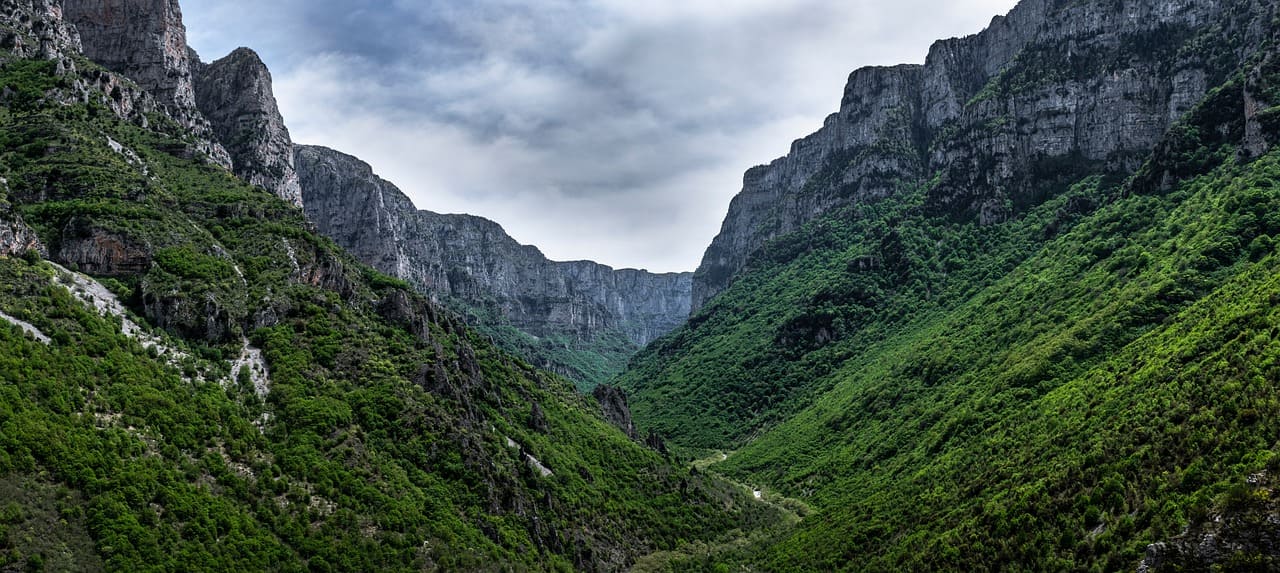
Below the peaks of Tymfi lies Vikos Gorge, one of the most impressive natural formations in Europe and part of the Vikos–Aoos National Park. The hike through the gorge is approximately 12 kilometers long and usually takes about 5 to 6 hours, depending on pace and stops. It is considered a moderate route due to the steep descent at the beginning and the long ascent toward Vikos village at the end.
Hiking inside Vikos Gorge, surrounded by massive limestone rock towers, is an impressive experience. However, hikers should be aware that the terrain can be demanding. The trail is not recommended on rainy days, as sections become slippery, and even a minor ankle sprain can turn into a complicated situation inside the canyon. Just before the final ascent to Vikos village, you reach the springs of the Voidomatis River. Those who wish can step into the cold, crystal-clear water for a refreshing swim before continuing the climb out of the gorge.
Amarantos Village – Remote Mountain Paths
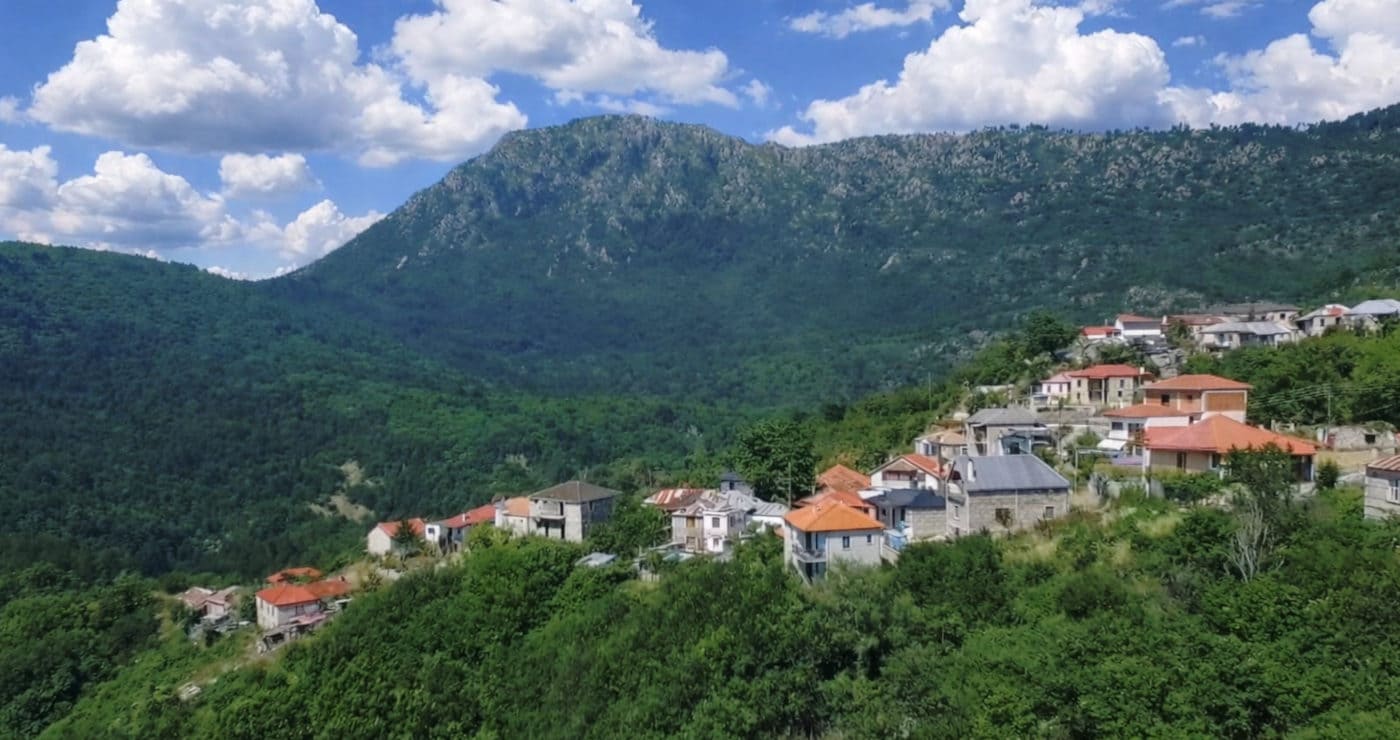
Near the Greek–Albanian border lies the mountain village of Amarantos, one of the most remote settlements in Epirus. Until the 1970s, access required a six-hour hike from Konitsa.
Old shepherd paths traverse the forested slopes and limestone terrain surrounding Amarantos. For generations, these routes were used to move livestock across seasonal grazing grounds, shaping a quiet network through the mountains.
At the same time, many villagers of Amarantos and the surrounding settlements were skilled stone craftsmen. They traveled across Greece to build with stone, carrying with them the architectural knowledge that defines much of Epirus. The same mountain footpaths connected neighboring villages and served as the community’s passage to the wider world — long before modern roads existed.
These routes were never developed into marked hiking trails, and there are no signs along the way.
Founded and rooted in Amarantos, Vrontalida runs an active restoration project to reconnect and preserve these historic paths. Some wind through dense forests and cross small rivers; others climb toward open ridgelines with expansive views or lead from one village to another — restoring access not only to the landscape, but to a living cultural heritage embedded in stone and memory.
The village is also known for its natural thermal steam springs, which remain a distinct and unique feature of the area.
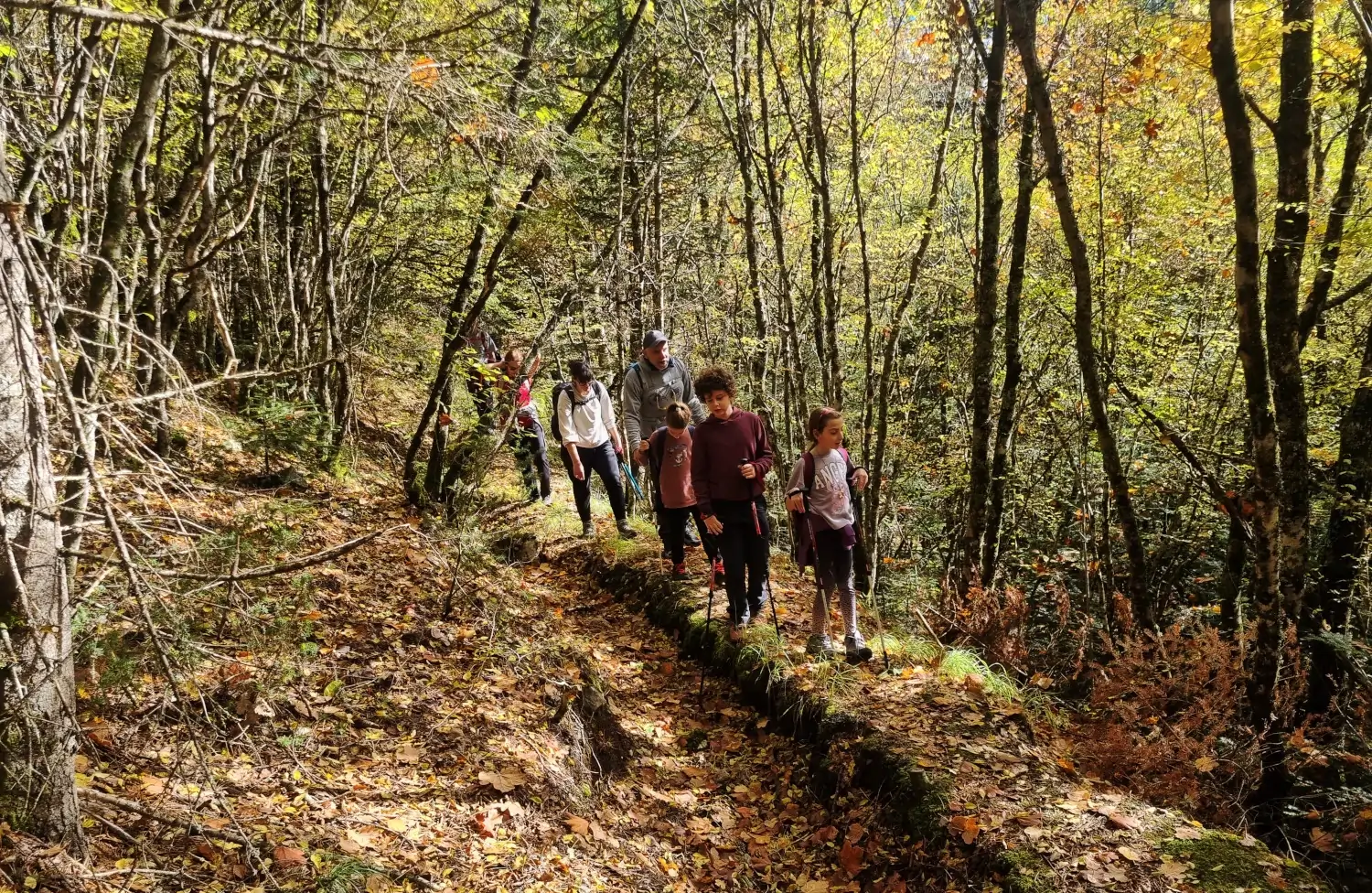
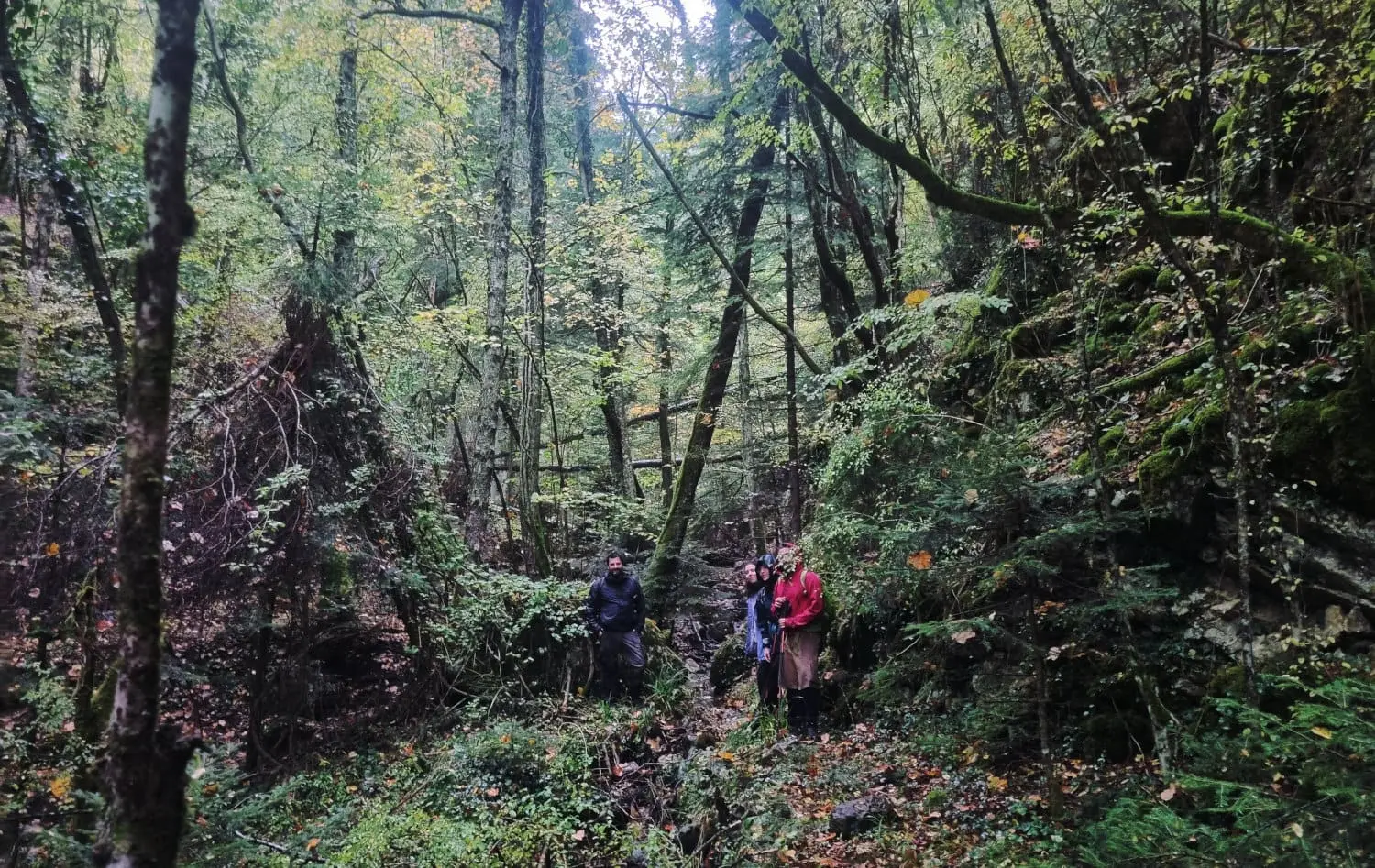
Hiking in this area requires local knowledge of terrain and seasonal conditions, and is best approached with guidance.
Hiking in a Protected Landscape
Much of Epirus’ mountainous terrain, including the Vikos Gorge and surrounding areas, lies within the Vikos–Aoos National Park. Conservation measures help preserve biodiversity, wildlife habitats and traditional land use patterns.
Because of the region’s remoteness, visitors should approach hiking in Epirus with respect and preparation. Trails can be long, weather conditions change quickly in the mountains, and signage is not always extensive.
Well-organized planning — whether independently or with local expertise — ensures a safer and more meaningful experience.
Best Time for Hiking in Epirus
The ideal seasons are late spring and early autumn.
May & June offer lush vegetation, flowing rivers, and comfortable temperatures.
September & October provide stable weather, fewer visitors, and excellent visibility.
July & August can be very hot, particularly on exposed lower-elevation trails such as Vikos Gorge. Higher altitude hikes remain possible but require careful planning.
Winter conditions affect high mountain routes and limit accessibility. For most international hikers, late spring and early autumn provide the best balance of comfort and scenery.
Wildlife and the Living Mountain Landscape
Epirus is home to species such as the brown bear and grey wolf, but encounters are extremely rare. On popular routes, seeing large wild mammals is highly unlikely.
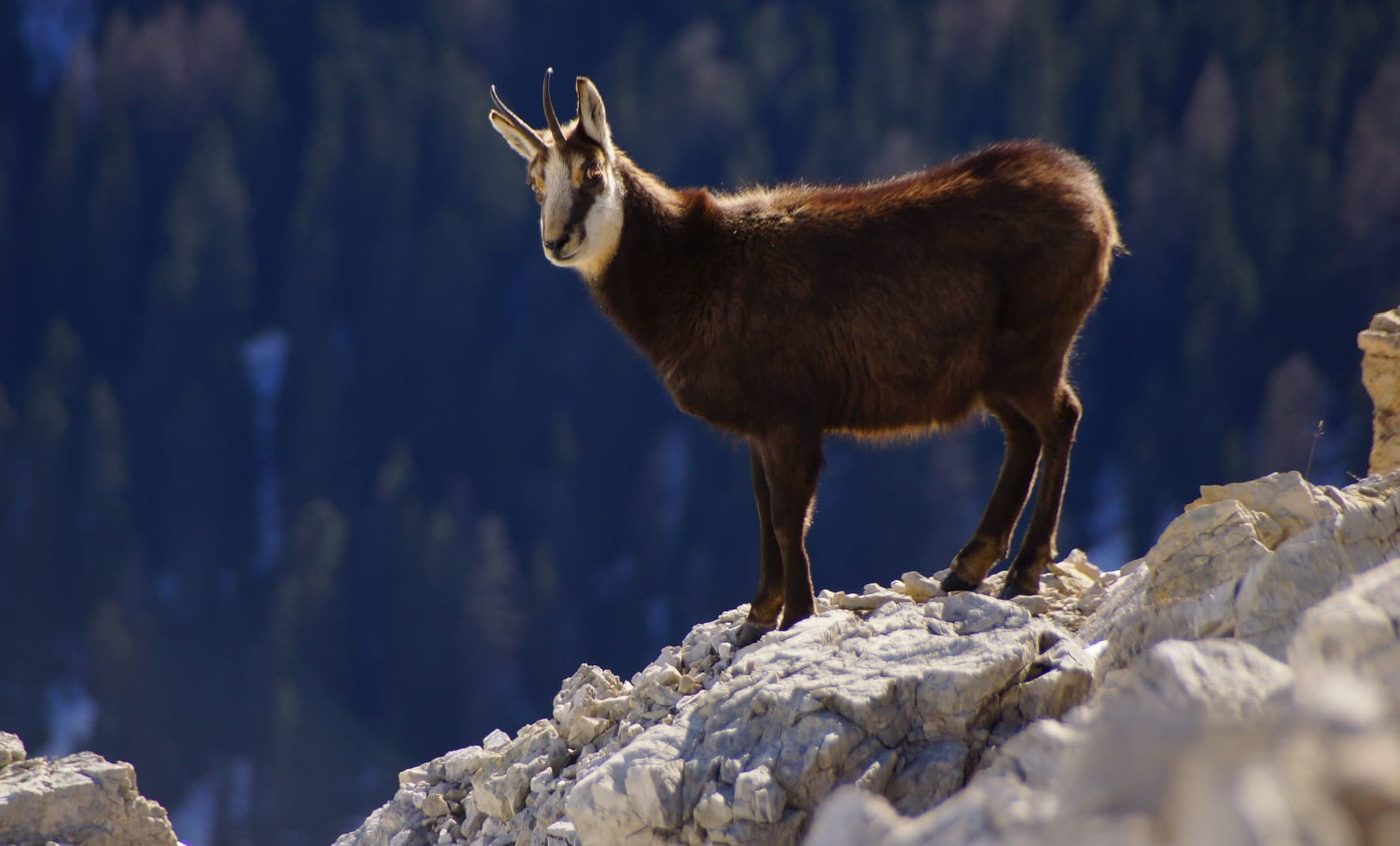
The animal hikers may occasionally observe in rocky alpine areas is the Balkan chamois (wild goat), moving across steep limestone slopes.
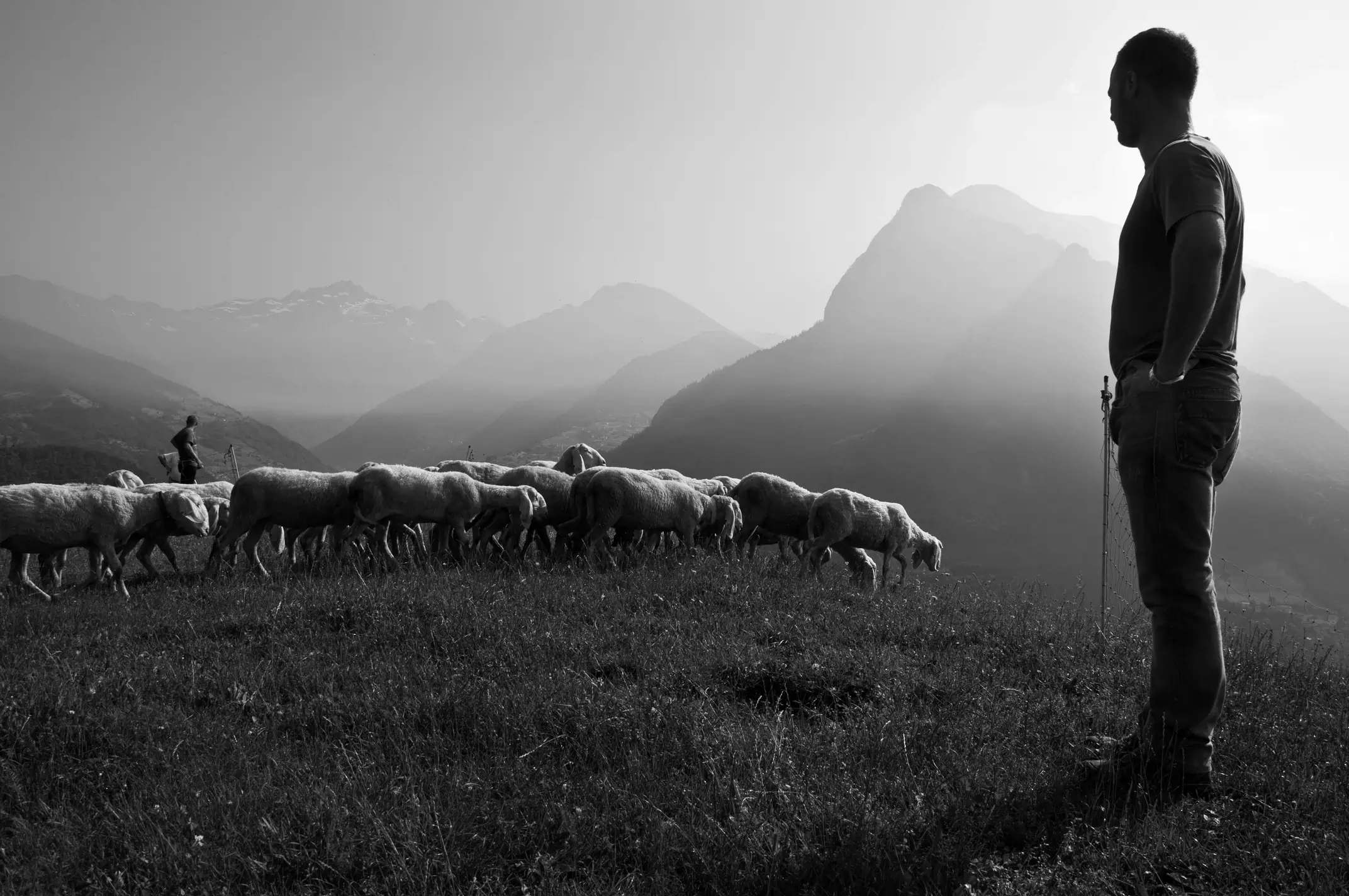
More common than wildlife encounters are signs of active pastoral life. Shepherds with flocks of sheep or goats continue to use mountain pastures, especially in spring and early summer. This coexistence of traditional grazing and protected landscapes defines the character of the region.
Epirus is not a wildlife safari destination. Its wildness lies in the presence of nature — not in guaranteed sightings.
Practical Information for International Hikers
Zagori is a mountainous region in Epirus, in northwestern Greece, forming part of the Pindus mountain range. The landscape is defined by stone-built villages, deep gorges, alpine peaks, rivers, and dense forests, with trails that often involve elevation changes and uneven stone paths. Weather in the Pindus mountains can change quickly, especially at higher elevations, even during the warmer months. Evenings are often cool, and sudden shifts in wind or temperature are not unusual, so proper footwear, water planning, layered clothing, and realistic timing are essential. The best hiking periods are typically late spring, summer, and early autumn, when conditions are more stable and the landscape is at its most vibrant.
Accommodation across Zagori remains small-scale. There are no large hotels or resort complexes; instead, visitors stay in family-run guesthouses, many of them housed in traditional stone buildings. During busy months such as June, July, September, and October, availability can become limited simply because the villages themselves are small. For independent hikers, planning ahead is important.
Public transportation between mountain villages is extremely limited. Although there are bus connections from Ioannina, they are infrequent, and most villages are not directly connected to one another on a daily basis. Reaching or leaving certain trailheads often requires private transfers, which adds a logistical layer to self-guided hiking. Some routes in Zagori are clearly marked and maintained, while others are historic footpaths where signage may be minimal and markings faded. Comfort with navigation tools and mountain terrain is therefore necessary for independent exploration.
From my experience hiking and working in Epirus, walking with a local guide offers a different kind of assurance. A guide does not simply lead the way; they read the terrain, observe weather patterns, and adjust decisions when conditions shift. In case of fatigue or discomfort, they know how to respond calmly and responsibly. Most guides in the region come from the wider area, understand the local landscape intimately, and can move with ease between villages and communities. Along the way, they share the small stories that are not written on signposts — about stone builders, seasonal movements, customs, and everyday life — allowing the journey to unfold not only as a physical route, but as a cultural experience rooted in place.
Responsible Hiking and Local Culture
Tourism in Epirus remains small-scale. Supporting family-run guesthouses and local businesses helps maintain the viability of mountain communities.
Staying on paths, avoiding erosion shortcuts, respecting livestock, and minimizing environmental impact are essential practices. Hiking in Epirus means entering a living mountain region, not a theme park.
Conclusion
Epirus reveals a side of Greece shaped by mountains rather than beaches. From Vikos Gorge to Dragon Lake, from Smolikas to the remote slopes above Amarantos, the region offers varied terrain and authentic character.
For those who value context, local knowledge, and responsible exploration, guided small-group experiences can provide deeper connection to the landscape.
Vrontalida approaches hiking in Epirus not as a commercial attraction, but as a way to share and preserve a living mountain heritage rooted in Amarantos and the wider Pindus range.