
Northern Epirus, Greece
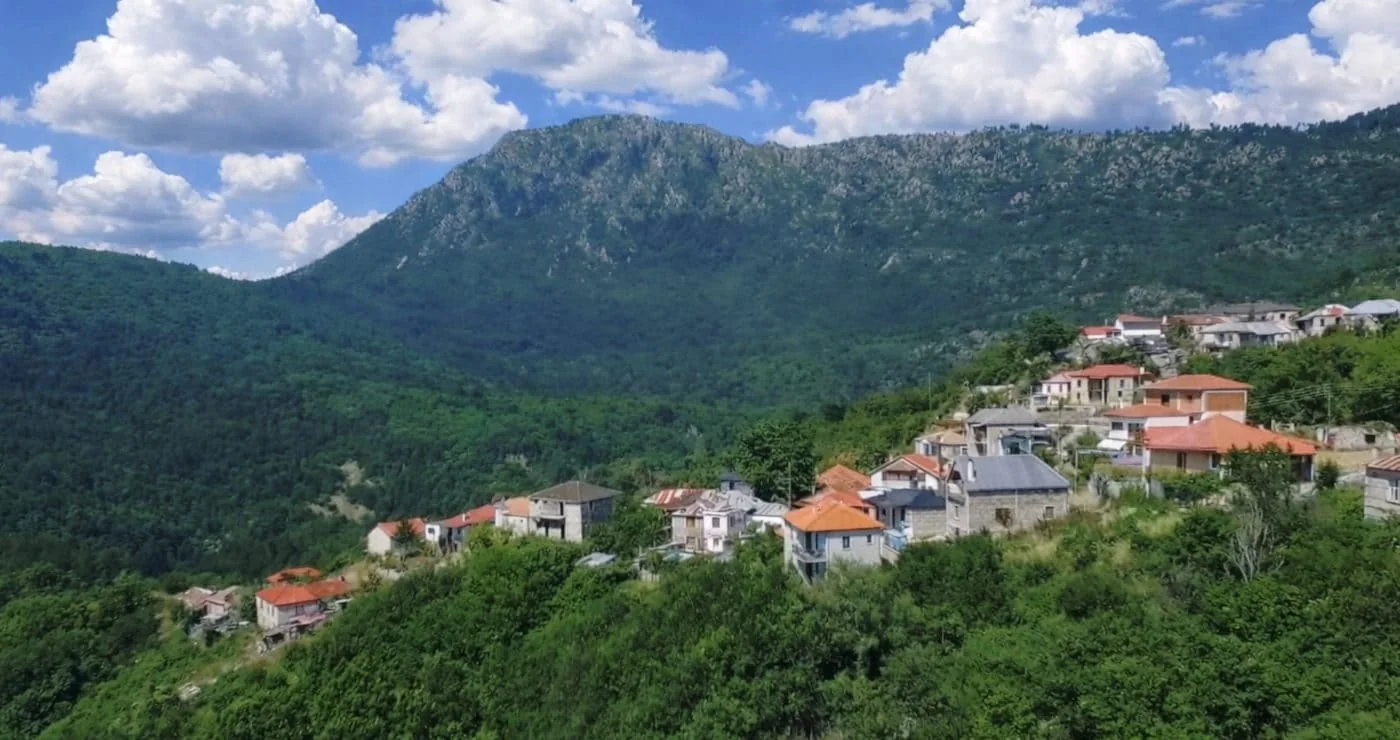
Vrontalida / Active projectReviving old footpaths
Reviving old footpaths
in Amarantos.
Reconnecting a mountain community with the paths, stories and landscapes that shaped it.
The project / At a glanceReviving a network
Reviving a network
of historic paths.
Vrontalida is restoring three historic footpaths around Amarantos through fieldwork, mapping, clearing and careful restoration.
A connected local trail network
Clearing and restoration underway
Research, filming and local stories
01✓Completed
Research & mapping
Historic routes were identified through fieldwork, local knowledge and on-the-ground mapping.
02⟳In progress
Clearing & restoration
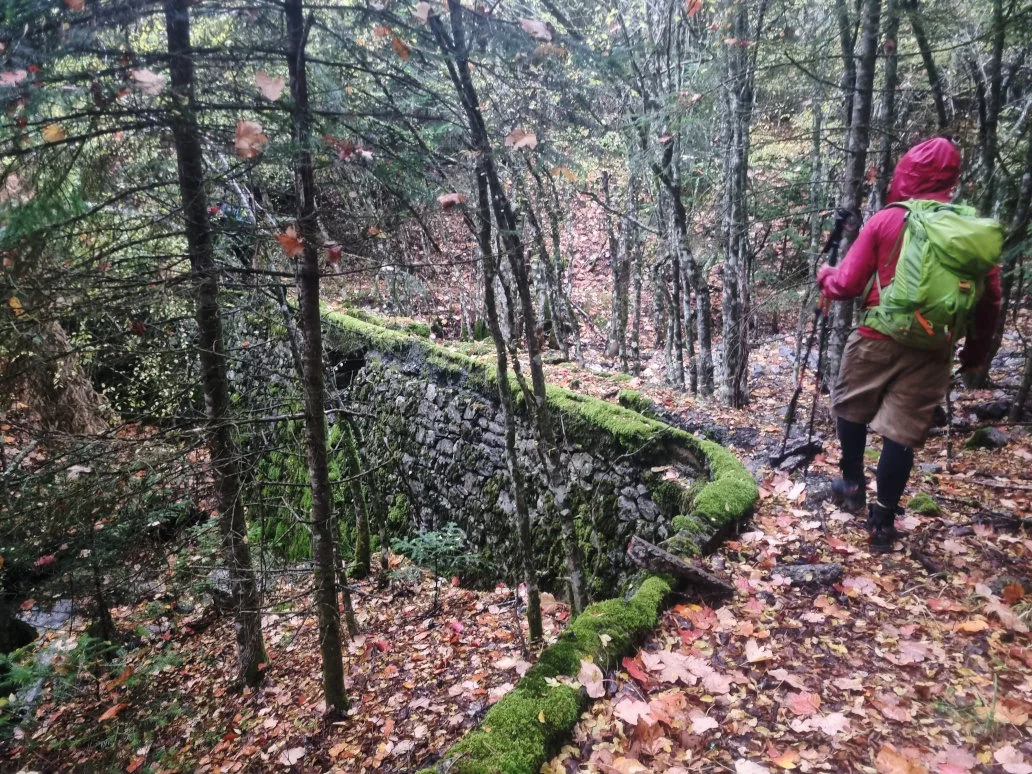
The paths are being reopened carefully, with attention to terrain, waterways and surviving stonework.
03⌛Upcoming
Trail marking & expansion
The next phase will add clear trail guidance and extend the connected walking network.
04↗Long-term
Village connections
Expand the network along old local footpaths to reconnect Amarantos with neighbouring mountain villages.
Intended outcomes
Restored trail networkTrail information & digital guideDocumented local heritageFoundation for community-led tourism
What we are doingReopening paths.
Reopening paths.
Reconnecting a village.
The project combines fieldwork, mapping, clearing and careful restoration to reopen three traditional routes around Amarantos. Surviving stonework, waterways and the character of the terrain guide how each path is approached.
The aim is not simply to clear a way through the forest, but to create a safe, connected walking network supported by clear trail information, documentation and a digital guide.
Why the paths matterPaths through
Paths through
memory.
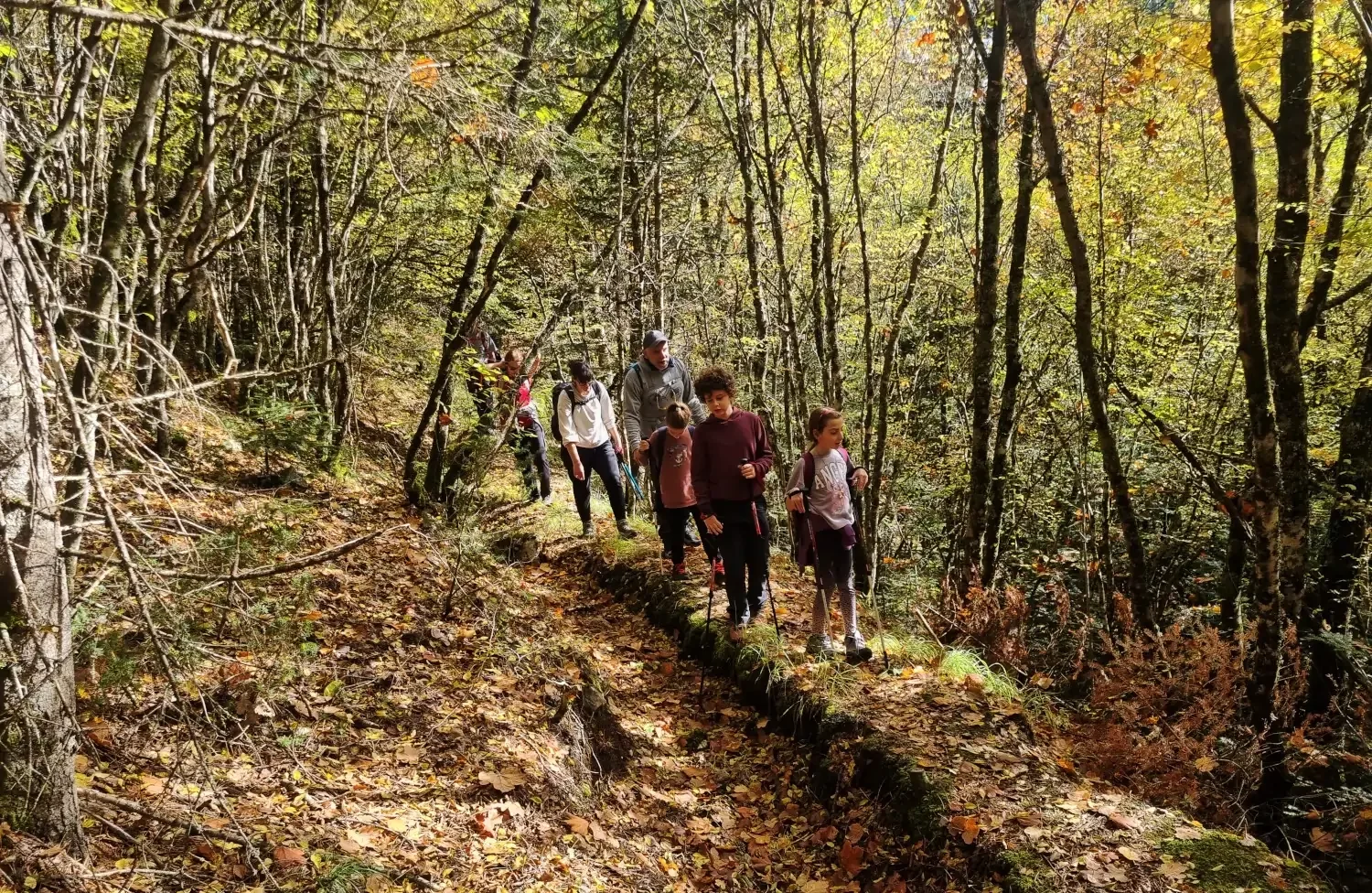
Until the 1970s, Amarantos had no road. Reaching Konitsa meant walking for six hours through the mountains, and the old paths connected the village with fields, forests and neighbouring communities.
They were part of everyday life—used by villagers, shepherds and skilled stone craftspeople whose work shaped settlements across Epirus.
More than paths are being lost.
After roads were built, many old routes were gradually abandoned. Some became overgrown or damaged; others disappeared almost completely. With them, the village risks losing physical traces of local knowledge, movement and craftsmanship.
Restoring the paths preserves a practical connection and a cultural memory embedded in the landscape—while creating a thoughtful foundation for the village’s future.
Media & documentary
Walk into the landscape with us.
The project is also being documented through video. This teaser presents the first stage of the work, while a full documentary with interviews and deeper insight into the region and its people is in development.
The vision / A home for the futureThe paths are the veins.
The paths are the veins.
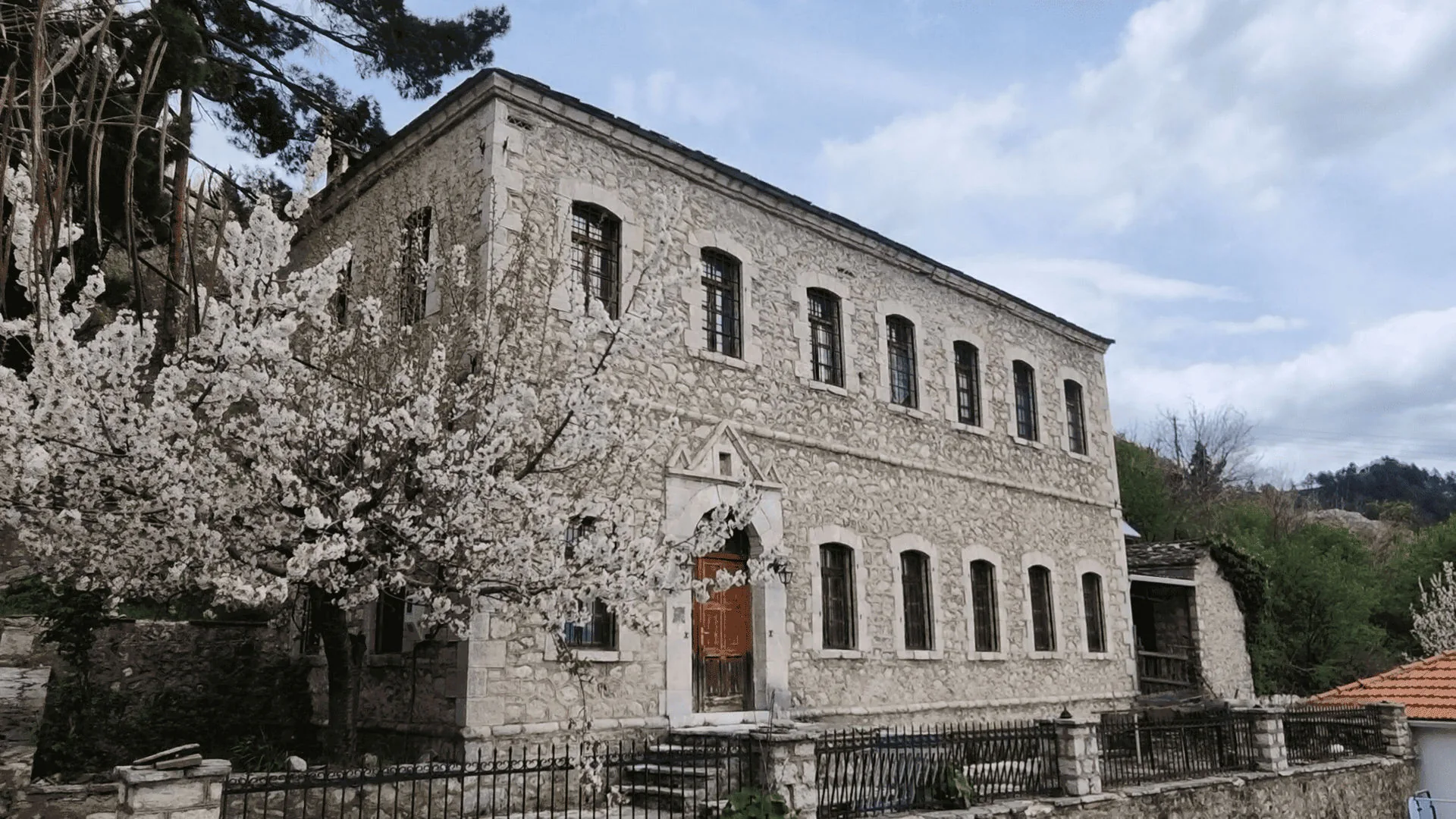
The old school is the heart.
Our long-term vision is to transform the historic primary school into a community-run guesthouse. Reopening its doors to travellers and hikers would create a sustainable place where heritage and hospitality meet.
The guesthouse could provide the infrastructure needed to support the trail network, create local work and help Amarantos become not simply a place where people used to live, but somewhere people come to stay, learn and connect with the mountains. Restoring the footpaths is the first vital step toward making this vision—and the village—viable again.
Network & Support
Collaboration makes each step possible.
Preserving these paths depends on people and organisations who recognise their natural, cultural and community value.