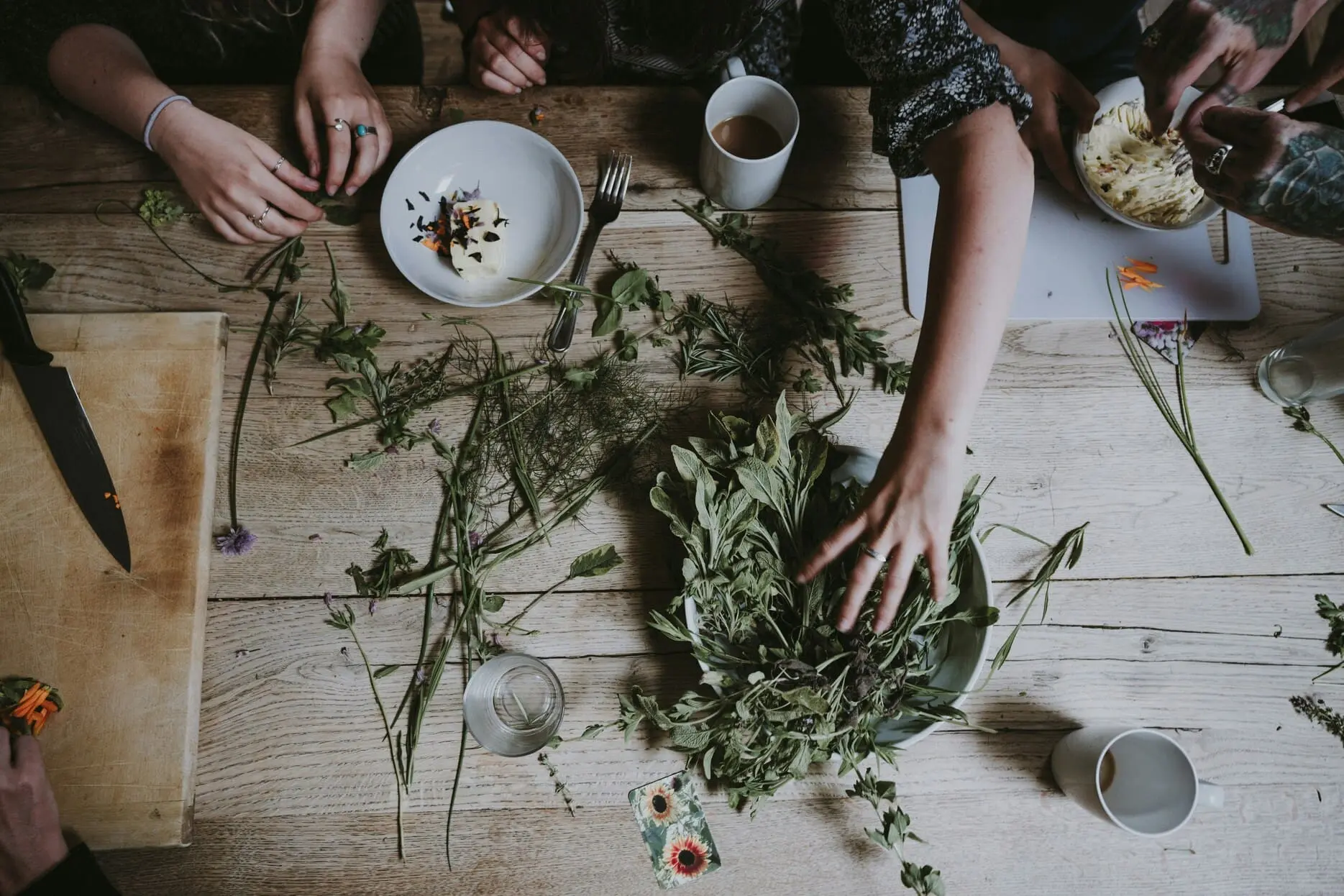
One of the hidden joys of hiking in Greece is discovering the rich variety of herbs and plants that grow along the trails. From the aroma of wild oregano underfoot to the sight of ancient olive trees clinging to the mountainsides, nature here is as much about culture as it is about landscapes.
In this article, we’ll explore some of the most common and beloved plants you’ll encounter on your hikes in Greece — many of which have been used for centuries in local cooking, medicine, and traditions.
1. Mountain Tea (Sideritis)
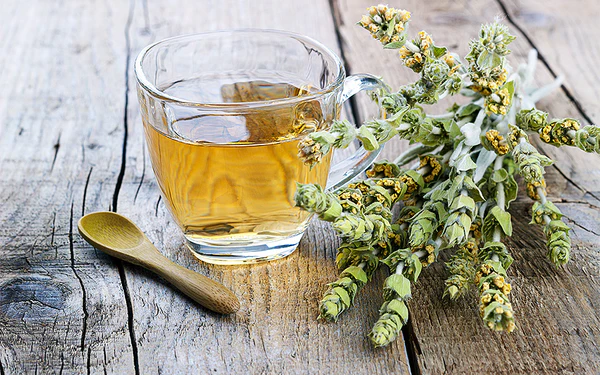
Known locally as “Tsai tou vounou” (tea of the mountain), this hardy plant grows in rocky, high-altitude areas. Greeks have brewed it for generations as a soothing herbal tea, believed to help with colds and digestion.
You’ll often see it sold in local markets as dried stems with yellow-green flowers.
Healing use : A warming infusion said to boost the immune system, ease sore throats, and relax the body after a long hike.
2. Oregano (Rigani)
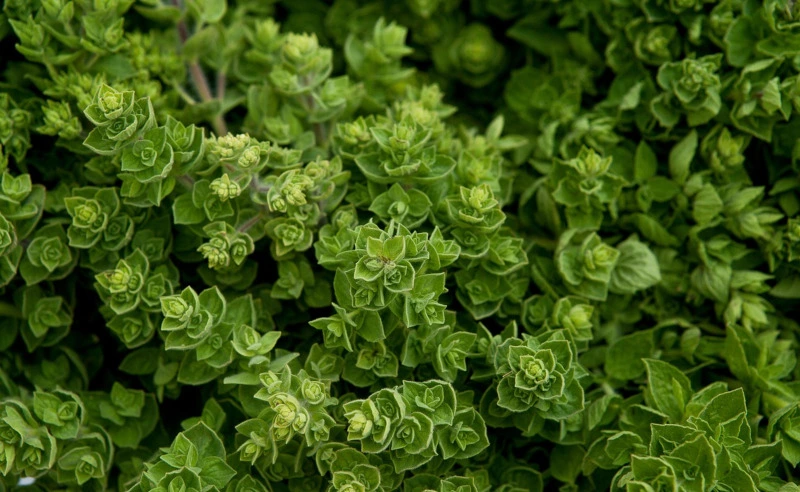
If you brush against a wild oregano bush, the distinctive aroma will fill the air. This herb is essential in Greek cuisine, sprinkled over salads, grilled meats, and vegetables. It grows on sunny slopes and rocky ground.
Healing use: Beyond cooking, oregano tea has been used for centuries to help with coughs, colds, and digestion, and as a natural antiseptic.
3. Thyme (Thymari)
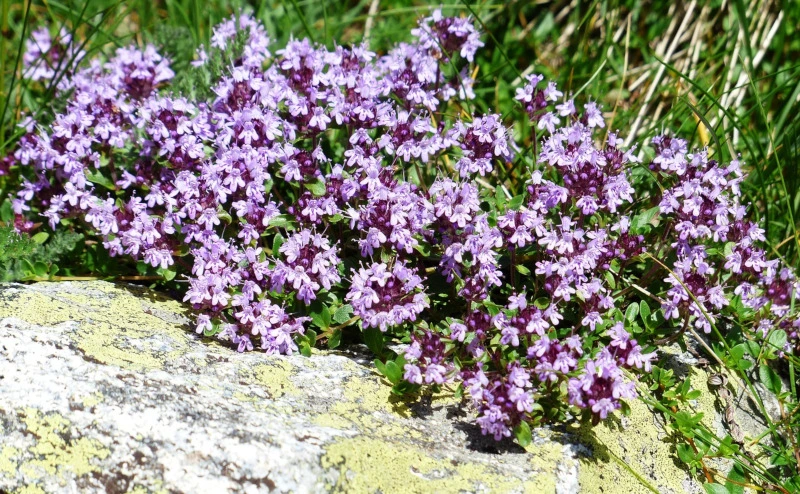
Tiny purple blossoms often cover Greek hillsides in summer, attracting bees that produce the famous Greek thyme honey. Thyme is also used in traditional remedies for coughs and sore throats.
Healing use : Known for its antiseptic qualities, thyme tea is believed to ease chest congestion and support respiratory health.
4. Sage (Faskomilo)
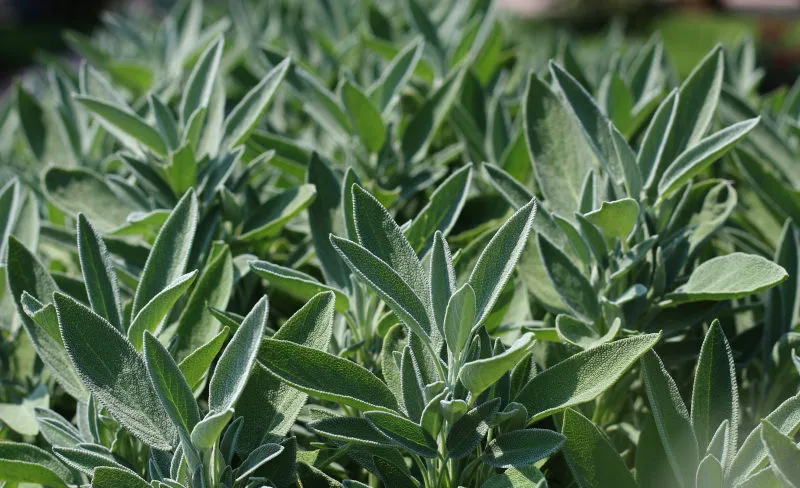
Sage grows wild across the countryside, with its silvery-green leaves and distinct scent. It’s another plant with both culinary and medicinal uses — locals often drink sage tea for relaxation and to ease digestion.
Healing use : Traditionally taken for colds, sore throats, and to support overall wellness.
5. Olive Trees
No plant is more symbolic of Greece than the olive tree. While you might not be “hiking through herbs” when walking among them, many old paths pass through terraced olive groves. Some trees are hundreds of years old, serving as living witnesses of history.
Traditional benefit: Olive oil has been considered a foundation of Greek health for millennia — used not only in food but also for skin care and healing.
6. Rosemary (Dendrolivano)
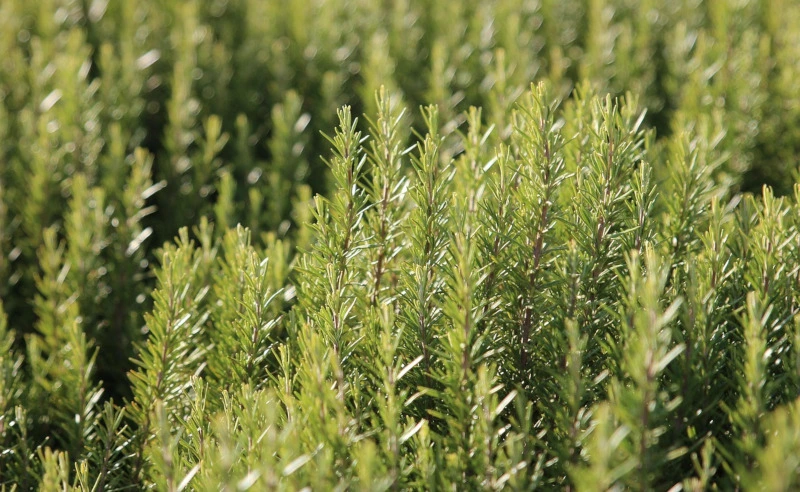
This aromatic herb thrives in dry, sunny areas and is often found near old stone walls and paths. It’s widely used in cooking, and traditionally burned to purify spaces.
Healing use : Known in folk medicine to stimulate memory, circulation, and provide relief for headaches when brewed as a tea.
The Vikos Gorge and the Healing Tradition of the Vikoyatroi
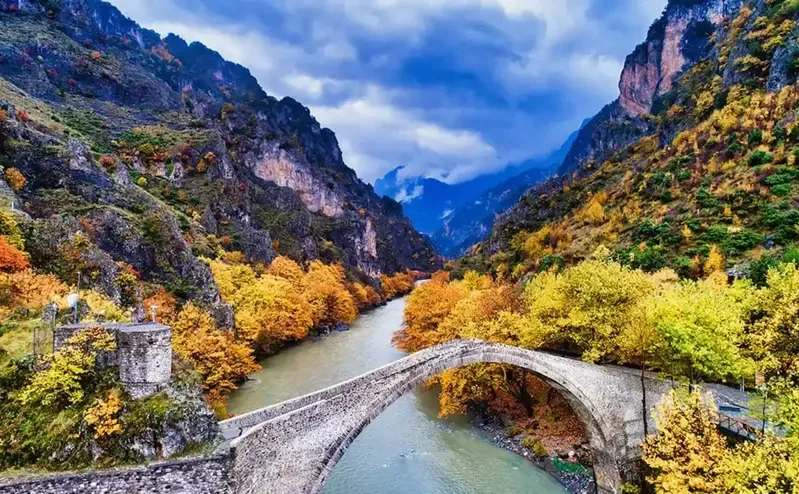
The Vikos Gorge, in the Pindus mountains of Epirus, is one of the richest areas in Greece for medicinal herbs. For centuries, local healers known as Vikoyatroi (the “doctors of Vikos”) used the plants of the area to create remedies for everything from wounds to stomach troubles.
These healers carried their knowledge through generations, blending practical medicine with deep respect for nature. Today, when hiking through Vikos, you’ll still find many of the same herbs — a living reminder of this unique tradition.
Hiking in Vikos is not only a natural experience but also a cultural journey through centuries.
Final Thoughts
Hiking in Greece is more than just a physical journey — it’s a sensory one. The scents of oregano, thyme, and sage, or the sight of ancient olive groves, connect you to the land’s deep cultural and natural heritage.
👉 Want to learn more about the natural treasures of Greece while hiking? Join one of our guided nature and hiking tours. We’ll introduce you not just to the trails, but also to the living landscape of herbs and traditions.