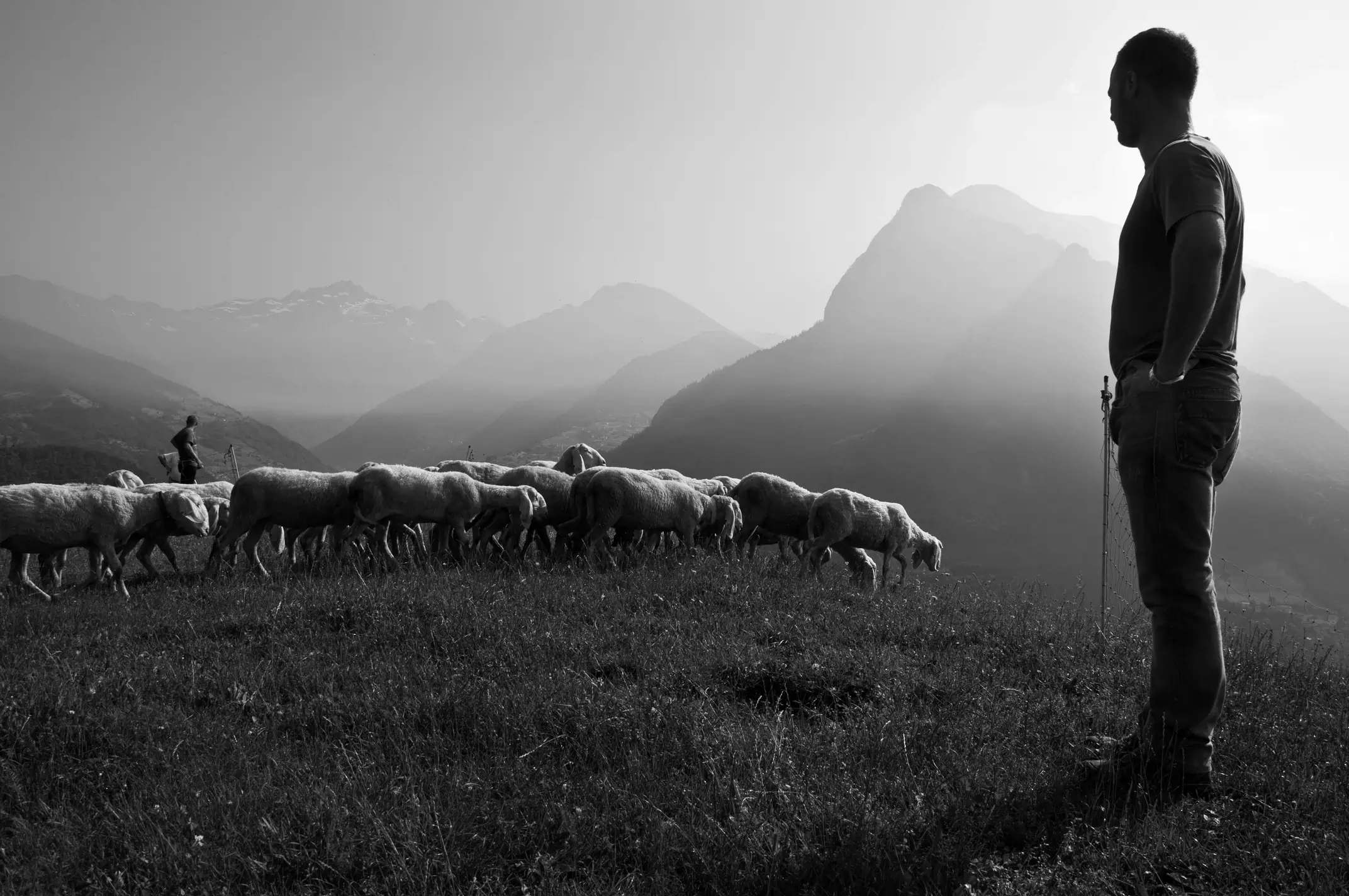
High in the mountains of Epirus, life has always followed the rhythm of nature. Long before hiking trails were marked and villages were connected by roads, shepherds roamed these rugged landscapes with their flocks. Their way of life — simple, seasonal, and deeply connected to the land — shaped the character of the region and left traditions that still echo today.
In this article, we’ll explore the world of the Epirus shepherd: their history, daily life, and the cultural footprint they left on these mountains.
A Life Between the Mountains and the Valleys
For centuries, shepherds in Epirus practiced transhumance — moving their flocks between summer and winter pastures. In summer, they climbed to the cool mountain meadows of the Pindus, while in winter, they descended to the milder lowlands.
This rhythm of migration created a deep bond between people, animals, and landscape. Shepherds often followed the same routes for generations, paths that today form part of hiking trails.
The Greek Shepherd Dog (Poimenikos)
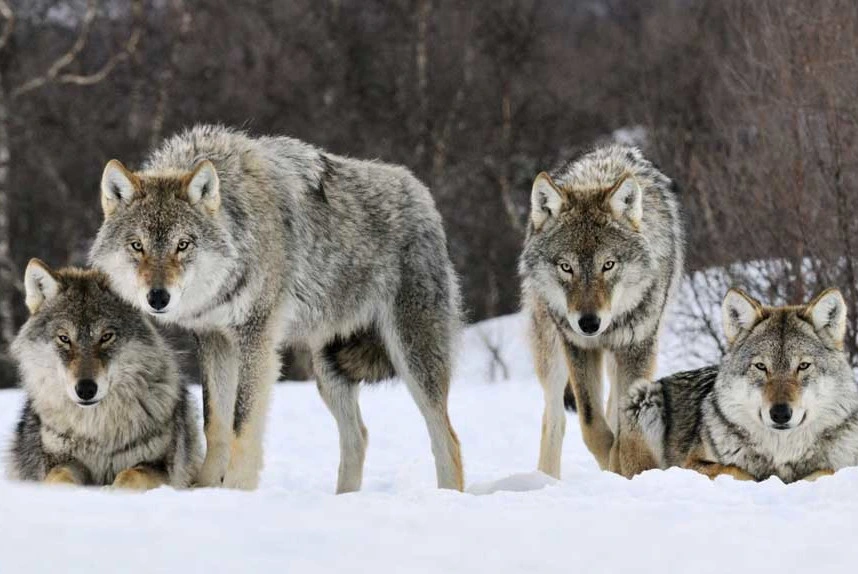
This ancient breed, with roots going back thousands of years, was more than just a guard dog — it was the shepherd’s protector, partner, and family. Strong, fearless, and loyal, the poimenikos defended flocks from wolves, bears, and even thieves. With their thick coats, they were perfectly adapted to the harsh mountain climate.
The bond between shepherd and dog was unbreakable. The dog not only protected the animals but also gave companionship during lonely days and nights in the wilderness. Even today, you can encounter these proud dogs in the mountains of Epirus, watching over sheep with the same dedication as their ancestors.
Food and Daily Life in the Mountains
Shepherds lived simply, often eating bread, cheese, and herbs they carried, along with milk or yogurt from their flocks. In the evenings, they gathered around small fires, sharing stories and songs.
The most famous product of this lifestyle is cheese — especially feta and hard sheep’s milk cheeses, which remain staples of Epirus cuisine today.
Shepherds as Keepers of Tradition
Beyond their work, shepherds were storytellers, musicians, and guardians of oral traditions. Many of Epirus’ haunting polyphonic songs have roots in shepherd communities. Their deep knowledge of herbs, weather patterns, and animal behavior connected them to the land in a way that modern travelers find both fascinating and inspiring.
Shepherd Life Today
While the traditional way of life has declined, traces of it remain. In mountain villages, you can still meet shepherds tending goats and sheep, hear old songs, and taste cheeses made with traditional methods. For hikers, walking through Epirus is like stepping into a landscape where the shepherd’s spirit still lingers.
Final Thoughts
The shepherds of Epirus lived close to nature, following cycles of movement, tradition, and survival that shaped the culture of the region. When you hike through these mountains today, you’re not only walking among wild landscapes — you’re also following the footsteps of generations of shepherds who made Epirus their home.
👉 Join one of our guided hiking trips and cultural tours to experience the landscapes and traditions of Epirus firsthand.