Across Greece, many remote mountain villages are gradually losing their populations. Places that were once home to thriving communities are becoming quieter with each passing generation. But rural depopulation is not simply a matter of people choosing to leave. It is also about the gradual disappearance of the conditions that make it possible for people to stay.
Over the decades, many of these communities have lost essential services that once supported everyday life. Schools have closed, healthcare facilities have disappeared or become harder to access, public services have moved to larger towns, and transport connections have become increasingly limited.
For a young family considering moving to a mountain village, these are not minor inconveniences. Where will their children go to school? What happens when someone needs medical care? How easy is it to work, travel, or manage everyday responsibilities?
As populations decline, services become harder to maintain. And as services disappear, even fewer people are willing or able to stay. It is a cycle that becomes increasingly difficult to break.
A Village Needs More Than Weekend Visitors
In recent years, tourism has often been presented as an opportunity to bring new life to Greece's rural areas. And in many cases, it can make a positive contribution.
Visitors can support family-run guesthouses, traditional cafés, local producers, and small businesses. Hiking and nature-based activities can introduce people to lesser-known regions, while helping create an economic incentive to preserve landscapes, footpaths, and cultural heritage.
But a village cannot survive only as a destination for weekend visitors.
Nor should an entire community depend exclusively on tourism for its livelihood. Tourism is often seasonal, and an economy built entirely around visitors can leave local communities vulnerable to changing travel trends, economic uncertainty, and periods of low demand.
A village may be full of visitors during holidays and summer weekends, yet remain almost empty for much of the year. Tourism activity does not necessarily mean that a community is recovering.
Building Communities That Can Sustain Themselves
Keeping mountain villages alive requires more than attracting tourists. It requires access to healthcare, education, essential services, and infrastructure, as well as opportunities for people who want to build their lives there.
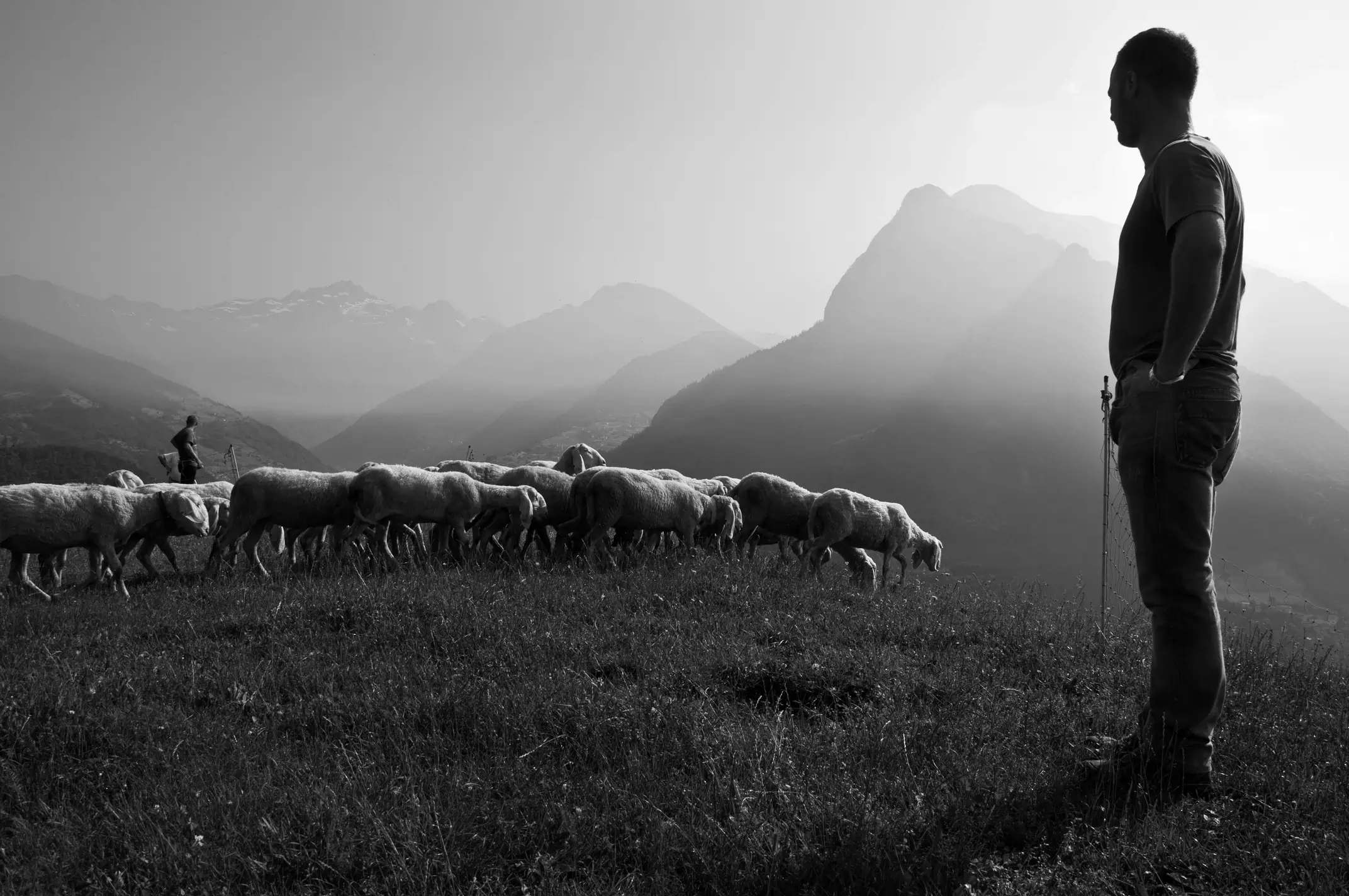
It also means supporting local agriculture, livestock farming, traditional crafts, small businesses, and other forms of year-round employment.
A more diverse local economy can help mountain communities achieve a certain degree of self-sufficiency. By supporting local production and different sources of income, these communities can become less dependent on tourism and better equipped to sustain everyday life throughout the year.
This does not mean that remote villages must become completely self-sufficient or isolated from the wider economy. It means creating the conditions for them to maintain a degree of economic independence, preserve local knowledge, and offer realistic opportunities for those who wish to remain or return.
Without these foundations, even successful tourism initiatives may struggle to bring lasting change.
Where Sustainable Tourism Can Make a Difference
At Vrontalida, we believe that responsible, small-scale tourism can play a meaningful role in supporting these communities — provided it develops alongside, rather than replaces, other local activities.
Restoring historic footpaths, encouraging hiking and nature-based travel, supporting local producers, and promoting lesser-known destinations can help create additional income while preserving the natural and cultural heritage that makes these places unique.
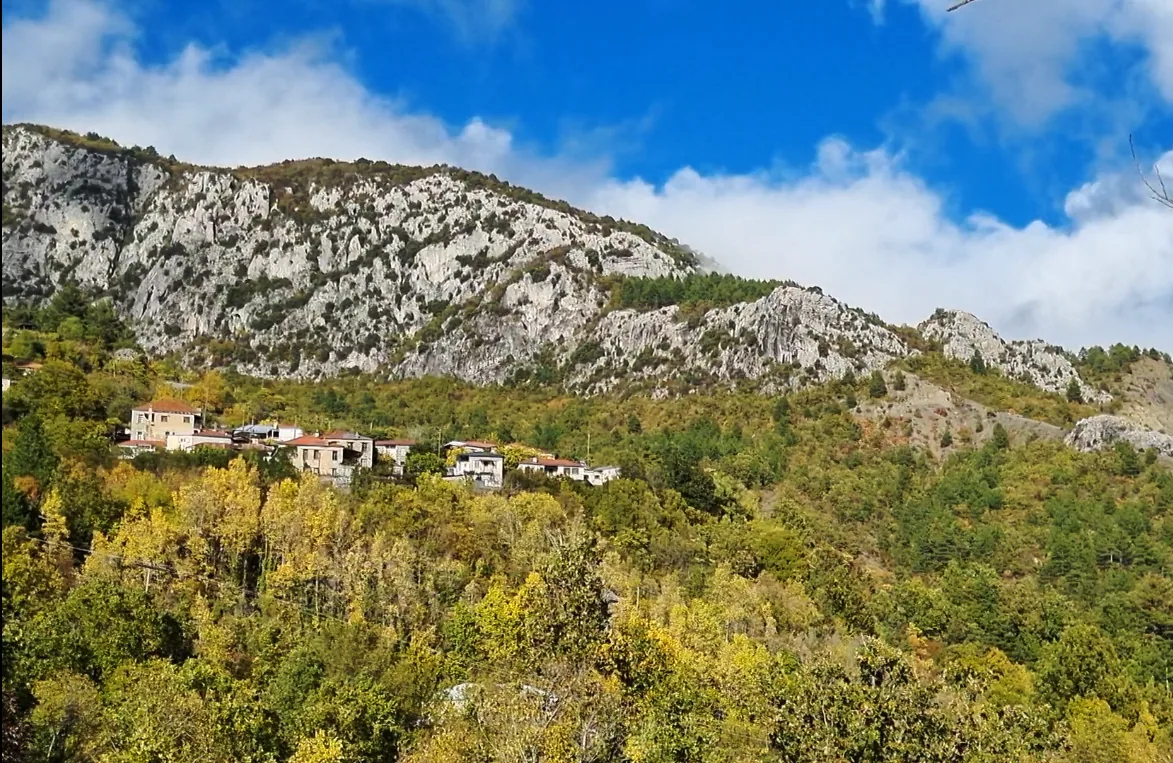
In the mountain village of Amarantos, in Epirus, our ongoing effort to restore old footpaths is one small example of this approach. These paths once connected people to neighboring villages, forests, fields, and the places that shaped their everyday lives.
Bringing them back is not simply about creating new hiking routes. It is also about preserving a part of local history, reconnecting places, and exploring how low-impact tourism might contribute to the future of a community.
But we recognize the limits of such initiatives. Restoring a footpath cannot replace a school, a healthcare service, reliable infrastructure, or the opportunities needed for people to make a living throughout the year.
Sustainable tourism should strengthen a living community, not become the only reason that community exists.
A Future Beyond Tourism
The future of Greece's mountain villages cannot be measured only by visitor numbers, new accommodation, or tourism revenue.
It must also be measured by whether people can continue living there, whether young families have realistic reasons to stay, whether essential services remain accessible, and whether local economies can support everyday life beyond the tourist season.
Preserving these villages is not simply about protecting beautiful landscapes or traditional architecture. It is about protecting the possibility of life within them.
The goal should not be simply to turn mountain villages into tourist destinations. It should be to help them remain living communities — places where people can work, raise families, and imagine a future.